Logistics Impact on the Economy

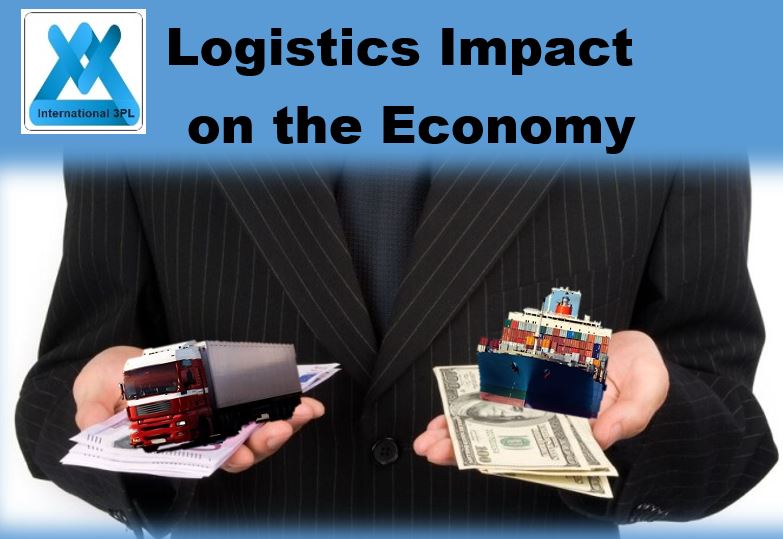
Logistics Impact on the economy has been so strong it ignited the economic growth and expansion from 2009- until now, which is the longest in history. Have you ever wondered we are expanding at a rate and why we are having such a run? Was it the Federal Reserve bank, The President’s economic policies, the demographic shift or the US Currency?  Well it is none of those reasons. The correct answer is logistics.

Many years ago, companies lived and died by the Inventory Cycle. Companies used to bulk up on inventory in anticipation of demand and sales afraid of long delivery times from vendors. It used to take weeks or months before customers took possession of their goods. Companies would carry a lot more inventory that they needed, that tied up financial resources and made them vulnerable to demand changes. We all have witnessed large companies getting rid of obsolete items at a total loss.

Nowadays, companies have a lot more flexibility when it comes to inventory control, they do not have to pile up inventory in their warehouses.  Shipping companies have made it easier to get the product on time (Just in Time or JIT).  Companies can use the services of the Freight Forwarders to make sure the products are shipped on time and received at destination rapidly.

Logistics Impact on the shipping Industry

As more and more products are being imported, Freight Forwarding Companies became an integral part of the Supply Chain Providing services such as Quality Control, Compliance and import services. Companies passed some of the responsibility of getting the inventory on time to Freight Forwarders. These companies order less amount of inventory, but they are receiving it more frequently.

The direct Impact of Logistics on the various sectors of logistics:

  1. To control Inventory levels, a new class of consultants came to the scene, Supply chain Consultants. The help companies control their inventory levels and ensure on time delivery.
  2. Warehousing Companies grew in number as companies sought to hold inventory in different locations in order to service a larger area.
  3. Third party Logistics Companies or 3PL Companies emerged into the market as providers of all the logistics solutions needed to deliver products from Manufacturer to End User such as Order Fulfillment, Inland Transportation, Ocean Freight shipping and Storage. Companies no longer need to have their own warehouses to store their products and fulfill their orders. Knowing that you can depend on a 3PL Company to fulfill orders allow companies to focus more on their core competencies which fueled product innovation.
  4. International Freight forwarders started opening more locations around the globe to facilitate the transfer of goods from Vendor to Customer.

The re-engineering of Logistics

The reengineering of the Logistics Industry has contributed to creating more jobs and new companies offering logistics services. It also allowed for new products to enter the market creating new demand for products.

Products no longer take days or weeks to be delivered, thanks to logistics they can be delivered the next day or even the same day.

In conclusion, logistics made it easier, cheaper and faster to deliver orders from Factory to end user. There is no more need for companies to carry large amounts of inventory and invest large amounts of money in inventory since, thanks to logistics companies, product delivery has been made easier than ever.


Resources:

Omni Channel Fulfillment

Contract Logistics Companies

International Freight Forwarders

Preparing for a circular Economy

Regulations will continue to evolve in support of the circular economy. Circular economy, in short, is about setting targets on waste and recycling. This directly affects certain Logistics Services  such as reverse logistics,  packaging and fulfillment.

The EU’s Circular economy package went into force in 2018. U.S. and other countries are likely to follow. Expect to see significant carbon emissions regulations in the next few years.

International 3Pl has always provided reverse logistics services to its clients reducing the carbon foot print associated with excessive handling and transportation of returned products.

Our Order fulfillment services focus on forward distribution as well as reverse logistics which is key to a circular economy.

Recycling of boxes is at the core of our packaging services . We reuse most of the boxes that we receive for shipping out parcels without compromising the look or integrity of the shipment.

We are currently experimenting with single use boxes especially with our last mile services. We deliver then make sure to get the box back to be used in future shipments.

We are planning on applying the same practices at all of our locations.

resources:

Contract Logistics

3PL Companies in Miami

Logistics Companies in South America

Omnichannel Order fulfillment

Omnichannel order fulfillment Or (Omni Channel) is the order fulfillment across multiple channels. To put it simply, it is about order completion.  It does not matter where the order is being shipped from as long as it is completed at the lowest cost to the retailer.

Omnichannel Fulfillment is about having inventory available across all channels from one location. In one case it is the retailer’s website.

Omnichannel Order fulfillment Simplified

You are a retailer who received an online order from a customer for one of your products. If the product is available in your Distribution Center or 3PL Warehouse, it ships from there, if not, it could ship from one of your retails outlets or a partner.

It is about completing the order and creating a great customer experience. Which  Order Fulfillment strategy should be used when an order is received? The answer is: The most cost effective fulfillment process.

Types of Fulfillment Channels

1- Straight order in warehouse fulfillment

This means that the order will be shipped from the warehouse, DC or 3PL Company as it is received. If the product is not available at that location, order is not shipped even though it might be available at a retail outlet or a drop ship from the vendor.

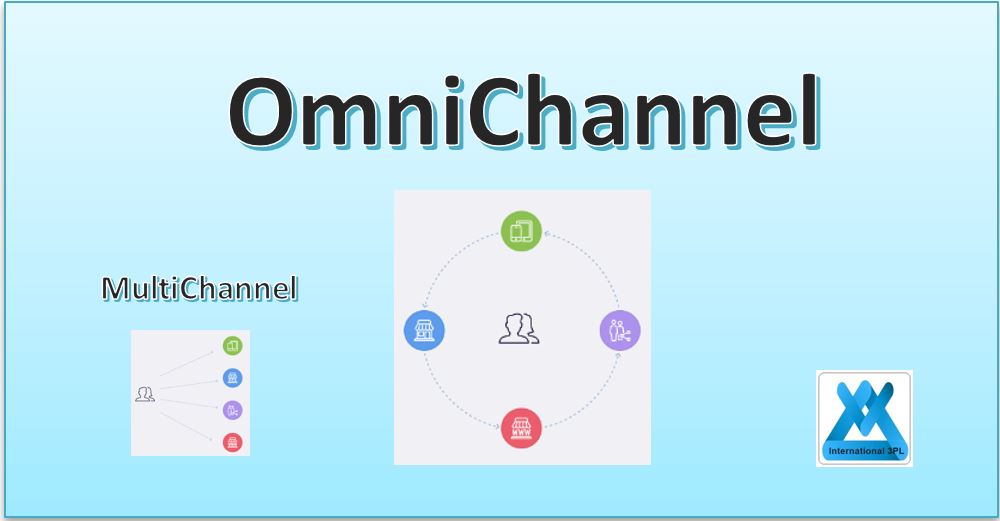
2- Multi Channel Fulfillment

Inventory is available at different locations from warehouses to retail outlets and vendors however it lacks integration. Multichannel is identified by a non-integrated way to approach customers and inventory.

3-Omnichannel Fulfillment.

Similar to multichannel with a major difference, It requires coherent and absolute inventory integration.

Challenges to Ominchannel fulfillment

A resistant culture. The retailer has to learn new methods of fulfillment which is not always easy and some top managers might resist.

Where to start?

Adopting Omni Channel fulfillment is not easy. You first have to choose an Ominchannel fulfillment strategy that is easiest for people to embrace.

Omni Channel fulfillment is about cutting costs and faster completion of orders. Adopting Omnichannel fulfillment means that that should one fulfillment route fail, the operations can pivot to an alternative.

When your order is placed with a retailer, the order is filled immediately from either the DC, 3PL company, the vendor or a partner without you even having to worry where the order is coming from. That is what Omnichannel fulfillment is all about.

International 3Pl has been a major partner with many retailers adopting Omnichannel fulfillment. We are an integral part of the strategies adopted by many retailers.

Resources:

Contract Logistics Companies

Order Fulfillment Companies

3Pl Warehouses

The true meaning of Logistics

The term logistics remains an enigma, many people associate the term logistics with shipping. By definition logistics is the movement of goods or services from point A to point B however, the definition fails to add on all the other activities needed to facilitate such movement including custom clearance, drayage and final delivery to point B

To make matters more confusing, we have terms such as supply chain and procurement that are used in its place of logistics.  Too set the record straight, logistics, shipping, transportation, etc. are part of the supply chain umbrella and then came the term “third party logistics” which people somehow associate with warehousing.

The first 3PL companies started it out as freight forwarders who opened warehousing and delivery and then expanded to other services.

Any warehousing company or trucking company can call itself a 3PL that is why you need to check the services that company offers.

A true 3PL company offers a multitude of services such as:

  1. Ocean and air freight services
  2. Inland transportation
  3. Order fulfillment or pick and pack
  4. Warehousing services
  5. Cross dock services
  6. Customs clearance
  7. Packaging services
  8. Inventory control

Lately, many associate the term 3PL with order fulfillment.

Now, keep in mind that not all 3PL companies are created equal. In reality, only a few of the 3PL companies that show up on search engine searches are a true 3PL company; most of them just offer warehousing services.

A 3PL company should be able to take over your day to day fulfillment needs.

After a careful research you will find out, hopefully not the hard way, that only a few can deliver a solution.

A true 3PL company should be able to pick up the goods from your vendor and deliver them to the end user transparently with a continues flow of goods and information.

In a time where online shopping is blooming, thanks to Amazon, many small to medium size companies are outsourcing their fulfillment services to 3PL companies taking advantage of their expertise and off course cutting the operational cost.

What is a Fulfillment Center

A fulfillment center is a company that handles the receiving, storage and shipping of your product to the end user. The end user could be a retail customer of a business entity . A fulfillment Center the ideal solution for small and medium-sized eCommerce businesses that want to scale, add more products, increase sales and at the same time, keep costs low.

Who needs a Fulfillment Center ?

companies who meet below criteria need to solicit the services of an order fulfillment company

Companies with limited space . If the company lacks the budget to lease or warehouse, a fulfillment company is the way to go.

Does shipping and packaging make you struggle? ? Do you often find yourself dropping the ball on sending the orders out leading to unhappy customers?

Organizations that are limited in resources and need to free up time in order to focus in their core competencies need a 3PL company that can handle the order fulfillment.

Need to reduce costs. What happens when you decide to add more products to your range? You need to hire additional hands to help you with packaging, inventory management or shipping. a third party logistics company might be the answer.

How to choose a Fulfillment center?

  • Location
  • Review and Testimonials
  • Years in Business
  • Service rates and don’t look for the cheapest. You get what you pay for.

Here are some questions you can ask as you are interviewing prospective fulfillment centers:

  • can you provide references from current or past clients that I can call?
  • how soon do you ship an order after it comes in?
  • what type of packaging is included?
  • do you have a minimum monthly fee?
  • can you handle large orders?
  • do you partner with any shipping carriers to get discounts on shipping?
  • what are your monthly storage fees and other fees?
  • how do you handle the receiving process?
  • Can you handle returns?
  • how are the packages branded when they go out?
  • can you handle international shipping?

Keep in mind that a fulfillment center is different that a warehouse.

A fulfillment center is the physical location from which a third-party logistics (3PL) provider (also known as a fulfillment provider) fulfills customer orders for ecommerce retailers. A fulfillment center exists to get online orders to customers in a timely fashion and relieve ecommerce companies of managing this crucial-yet-challenging process.

When we talk about a warehousing solution, we’re referring to a company that stores products for an extended period of time. A warehouse is a large storage center or industrial space designed to house inventory in bulk. You will see equipment like forklifts and containers, with shelves stacked high and stocked with large quantities of products.

Warehousing Services

International 3PL is a Warehousing Services Provider. Our Services include:  distribution and order fulfillment services. We also will transport or store your product at an affordable rate. Since we operate in Many countries, we can handle all of your local transportation,  and storage needs.

If you are involved in selling products, most probably you will need our services.

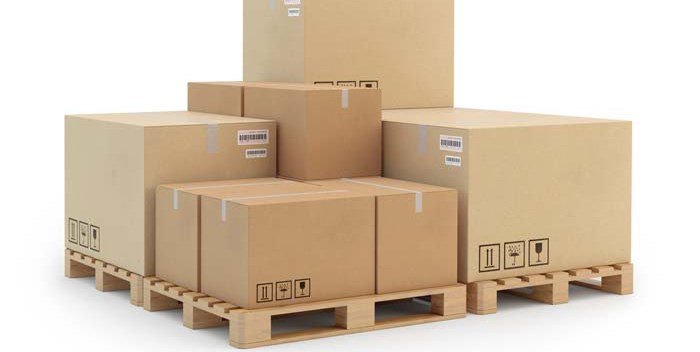
We also have the resources to fulfill your regional, national and international storage and transportation needs. Whether you require pallet storage for commercial and larger items or bulk storage for oversized or specialty products, we have the optimal solution for you.

In conclusion: We can meet your warehousing and distribution demands anywhere and anytime.

Our warehousing Services Include

  • Freight transportation
  • Distribution services
  • Local pickup and delivery
  • Deconsolidation of containers
  • Secured facilities
  • Inventory visibility
  • Single point of contact
  • Variable costing
  • Fulfillment/kitting services
  • Rack and floor space options
  • Climate controlled storage

Warehouse Management Services

Even though warehousing might seem easy to many, there are many steps that need to be followed in order to deliver a good warehousing solution.

The receiving process provides options for verification of receipts against purchase orders, advanced shipping notices or blind receipts based on your operational needs. Problem product can be placed into quarantine with a reason code so as to avoid confusion. Configuration enables an appropriate put-away location to be identified as products are received, allowing operators to process more efficiently and get product put away into stock quickly so that orders can be processed faster

Waving is the process of grouping orders and activating them for processing.

Based on your business rules,  If Quality Control is required, the check is performed during the receiving process. Any item that fails the QC is placed into a quarantine zone for additional handling.

Inventory control is important, that is why Cycle counting is used to check and maintain accurate inventory and many companies employ rigorous cycle count programs as part of an overall strategy to move away from having to perform a physical inventory.

Proper packing and shipping is important to minimize monthly freight bills while meeting customer delivery expectations while maintaining low cost. The pack process is used to prepare orders for shipping and can be performed by the operator scanning each item for a complete order audit or by a single scan of the container or order to accept it as picked.

Read More

Warehousing and Distribution

Purchase Order Management

Order Fulfillment

What is Order Fulfillment ?

Order fulfillment is the steps involved in receiving, processing and delivering orders to the final consumer.
A fulfillment service is a third-party company that provides these order fulfillment steps on behalf of another party.

These general definitions can apply to many types of orders, from large business-to-business orders, to the individual consumer.

International 3PL has been the choice of many companies for their order fulfillment services.

Order Fulfillment

Order fulfillment is one of the services International 3PL is proud of.
To help better understand exactly what  order fulfillment is, here are some of the steps:

Receiving

Count each item to ensure the actual number of items matches the number of items ordered from the supplier(s)

  • Inspect the inventory to see if any items have been damaged
  • Add SKUs to warehouse management software in order to keep track of the location, counts and number of sales of each of your items
  • Apply SKU or bar code labels if they do not already have them

Inventory Storage

Once inventory has been received, counted, inspected, labeled, and added to your warehouse management software, it is time for it to be shelved.

Proper inventory storage is one of the most important aspects of maximizing the speed and accuracy of your order fulfillment operations.

Order Processing

So now your inventory has been inspected, sorted and placed on shelves in the warehouse. Next comes order processing.

The first step in processing an order is receiving that order.
Once the order has been received by your warehouse, the individual items that make up that order are then picked off the shelves by warehouse staff. Transported to an order packing station. The packing station will go through a series of quality control checks, determine the best packaging materials, scan items, add packing slips and any inserts, seal the box, and then move it to the shipping station.

Shipping

After an order has been picked and packed, it is moved to a shipping station to prep it for delivery to the end customer.
The Shipping station will then prepare the order for shipment using the most economical way and according to requirements by the shipper.

Returns Processing

We handle all RMA requests and accept returns by customers should the need arise, we inspect the goods make sure they are in good order and place back on the shelf. damaged goods are handled according to shipper guidelines.