Cargo Consolidation

The Power of Cargo Consolidation

In the intricate web of global trade, businesses are constantly seeking ways to optimize logistics, reduce costs, and improve efficiency. One powerful strategy that has proven indispensable in achieving these goals is cargo consolidation. This process, which involves combining multiple shipments into a single, larger shipment, offers numerous benefits for businesses engaged in international trade. Let’s delve into the world of cargo consolidation and explore why it is a game-changer in the logistics industry.

What is Cargo Consolidation?

Cargo consolidation, also known as freight consolidation, is the practice of grouping multiple smaller shipments into a single larger shipment. This consolidated shipment is then transported to its destination, where it is deconsolidated and distributed to the respective consignees. This process can involve various modes of transportation, including air, sea, and land.

Benefits of Cargo Consolidation

  1. Cost Savings

    One of the most significant advantages of cargo consolidation is cost reduction. Shipping smaller, individual shipments can be expensive due to higher per-unit transportation costs and additional handling fees. By consolidating cargo, businesses can take advantage of bulk shipping rates, which are significantly lower than the rates for smaller shipments. This translates to substantial savings on transportation costs.

  2. Improved Efficiency

    Consolidated shipments streamline the logistics process by reducing the number of individual shipments that need to be handled. This efficiency gain means fewer shipments to manage, less paperwork, and reduced administrative overhead. As a result, businesses can allocate their resources more effectively and focus on other critical areas of their operations.

  3. Reduced Environmental Impact

    Consolidating cargo contributes to environmental sustainability by reducing the number of shipments and, consequently, the overall carbon footprint. Fewer shipments mean fewer vehicles on the road or fewer container movements, leading to lower greenhouse gas emissions. This aligns with the growing emphasis on sustainable business practices and corporate social responsibility.

  4. Enhanced Security

    Smaller shipments are more vulnerable to loss, theft, and damage during transit. By consolidating cargo, businesses can improve the security of their goods. Consolidated shipments are typically handled with greater care, and the reduced number of movements decreases the risk of mishandling or theft.

  5. Faster Transit Times

    Cargo consolidation can lead to faster transit times, especially when using direct routes and efficient logistics networks. By grouping shipments, freight forwarders can optimize routes and reduce delays associated with handling multiple individual shipments. This can be particularly beneficial for businesses with time-sensitive deliveries.

  6. Simplified Customs Clearance

    Customs clearance can be a complex and time-consuming process, particularly for individual shipments. Consolidated cargo often undergoes a streamlined customs clearance process, reducing the likelihood of delays. Freight forwarders with expertise in consolidation can navigate customs regulations more efficiently, ensuring that shipments reach their destination without unnecessary hold-ups.

How Cargo Consolidation Works

The cargo consolidation process typically involves the following steps:

  1. Collection: Smaller shipments from multiple shippers are collected at a consolidation point, such as a warehouse or freight forwarder’s facility.
  2. Grouping: The collected shipments are grouped together based on factors such as destination, shipping mode, and delivery requirements.
  3. Packaging: The grouped shipments are securely packaged into a larger, consolidated unit, ensuring protection during transit.
  4. Transportation: The consolidated shipment is transported to its destination using the most efficient and cost-effective mode of transportation.
  5. Deconsolidation: Upon arrival at the destination, the consolidated shipment is deconsolidated, and individual shipments are distributed to their respective consignees.

Choosing the Right Freight Forwarder

To maximize the benefits of cargo consolidation, it is essential to partner with a reputable and experienced freight forwarder. The right freight forwarder will have:

  • Extensive Network: A broad network of consolidation points and transportation partners to ensure efficient and cost-effective shipment routes.
  • Expertise in Customs Regulations: Knowledge of international customs regulations to facilitate smooth customs clearance and minimize delays.
  • Advanced Technology: Tools for real-time tracking and visibility into the shipment’s status throughout the transportation process.
  • Commitment to Sustainability: Practices that align with sustainability goals, contributing to a reduced environmental impact.

Conclusion

Cargo consolidation is a powerful strategy that offers numerous benefits, from cost savings and improved efficiency to enhanced security and environmental sustainability. By leveraging the expertise of a reliable freight forwarder, businesses can streamline their logistics processes, reduce transportation costs, and achieve greater operational efficiency. In the ever-evolving world of global trade, cargo consolidation stands out as a crucial component for success. Embrace cargo consolidation and unlock the potential for a more efficient and cost-effective supply chain.

Resources

Miami Freight Forwarders
Cross Docking
Transloading

Blockchain transforms Logistics

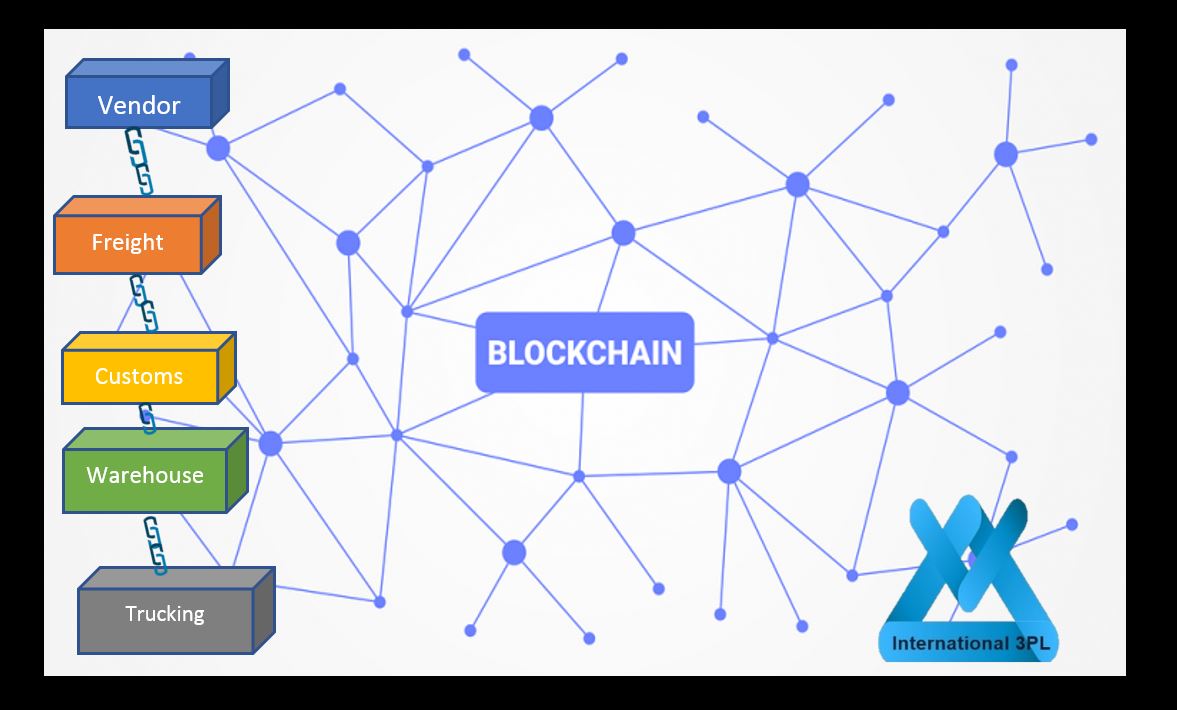
Blockchain is a distributed ledger shared among many people in a network without an intermediary. The entries in the ledger cannot be modified. One Example of the use of such technology is crypto currency such as Bitcoin. When it comes to Supply Chain and logistics, Blockchains are becoming synonymous with transparency and visibility. The new technology will revolutionize how companies expand while maintaining compliance

Supply chain involves material flow, information flow and capital flow. Supply chain is about managing the flow of goods, services, storage and movement of raw materials, product manufacturing and shipping of Goods.

One of the benefits of using blockchain in supply chain Management is it’s allowing the data to be more inter-operable so that the information and data can be shared with manufacturers suppliers and “shipping companies” easily.

Transparency in Blockchain helps reduce delays and avoid goods from being stuck in the supply chain.

Using Blockchain offers more stalability through which a database can be accessed from multiple locations worldwide. This in essence ensures that all the participants in the supply chain from manufacturers to freight Forwarders are always connected and there are no limits on the number of entries.

Benefits of using block chain in the supply chain Industry:

  • Advanced inventory management
  • Enhanced transparency
  • Minimizing Courier Costs.
  • The Ability to identify issues faster
  • Keep vendors and customers honest
  • Faster tracking of shipments
  • Establish provenance

Logistics and Blockchain in a nutshell

The new Technology will empower Freight Forwarding companies with an incorruptible resource. As the companies expand, companies will grow more connected and contract adherence will be the norm.

“Contract Logistics Companies” stand to benefit the most from the new technology by having more transparency to the supply chain network and from the speed of recording transactions.

Digital Shipping

Blockchains will become the standard for technology use in shipping. It will give all the parties involved in a shipment the ability to access and record information such s the shipment booking, bill of lading, customs clearance and even delivery to final customer. All happening in real time. Since events cannot be edited after entry, this will ensure accuracy and timelessness.


Maintaining a supply chain with all its elements is a tedious task for small businesses, the interconnectivity of the different elements becomes more inefficient when a business grows. Block chain is a game changer when it comes to SCM

Resources:

Supply Chain Management Companies

International Logistics Companies

3PL Companies

Move your fulfillment closer to your customers.

Tell us about your products, order volume, and current pain points. We'll design a micro fulfillment solution that fits your operations and budget.

Request a Micro Fulfillment Quote