What is an ERP System
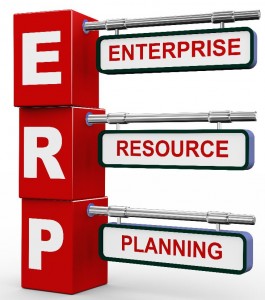 An Enterprise Resource Planning System, commonly known as an ERP system, is a set of business software tools designed to facilitate the flow of information between all departments or functions within a business. The ERP system integrates information seamlessly throughout the rest of the company. When the first ERP systems were designed over 25 years ago companies both large and small, used function-driven software for each area of their business. For example, the accounting, purchasing, inventory, and sales departments each used a different software package which frequently didn’t talk or integrate with any of the other systems. Reporting and tracking of even the most basic business activities across these different ‘data silos’ was tedious, error prone, and unreliable. A well designed ERP solution has the ability to process information from every part of the organization, and any type of transaction, within a single, integrated-solution which can track–in real-time–business operations and provide timely, accurate information to business managers. No more need to export data from multiple systems do extra computations and arrive at the results from last month’s sales or production run. With a modern ERP system each person within the company has the information they need to do their job and it is available now – or as the technology folks like to say it “in real-time”.
 The decision to outsource is a strategic one. Most companies hesitate or feel threatened to reliquish control. Some believe that doing it yourself is easier and faster which raises the question: ‘Why consider outsourcing?’
You must be logged in to post a comment.